Gluten-free baking is often described as regular baking with a different flour swapped in. That description is wrong, and it is why so many home attempts come out gummy, crumbly, or oddly tough. Wheat flour does several jobs at once in a batter. Its proteins form gluten, the stretchy network that traps gas, holds a cake together, and lets a crust be rolled thin without tearing. Remove the wheat and every one of those jobs has to be reassigned to something else.
At KB Cakes Bakery in Clover, cakes and sweets are built as individual recipes, and that is exactly how gluten-free items have to be built too: as their own recipes, tested on their own terms. The checklist below is what changes, line by line, when the wheat leaves a recipe, and how to judge whether a gluten-free bake is working.
What wheat was doing in the first place
Gluten gives structure and chew. In a layer cake it keeps the crumb tender but sliceable. In a pie crust it allows rolling and fluting. In a cookie it controls spread. Starch in wheat flour also absorbs liquid at a predictable rate, which is why a familiar recipe behaves the same way every time. Gluten-free flours, usually blends of rice flour, tapioca starch, potato starch, sorghum, or oat flour certified gluten-free, absorb liquid differently, set differently, and brown differently. A good gluten-free recipe accounts for all of that instead of pretending the swap is one to one.
The gluten-free checklist
Work through these points in order when you evaluate a recipe, a mix, or a finished bakery item. Each one has a clear pass sign and a clear fail sign.
Checking a gluten-free bake, in order
- The blend, not a single flour. Pass: the recipe uses a blend of at least two or three flours and starches. Fail: it calls for plain rice flour alone, which bakes up gritty and pale.
- A binder is named. Pass: xanthan gum, guar gum, psyllium husk, or extra egg is doing the holding work gluten used to do. Fail: no binder at all, which means slices crumble at the edge of the plate.
- Rest time is built in. Pass: the batter or dough rests 20 to 30 minutes before baking so the flours hydrate. Fail: the recipe goes straight from mixing bowl to oven, a common cause of a gritty mouthfeel.
- Liquid is adjusted. Pass: slightly more liquid or fat than the wheat version, because many gluten-free flours absorb more. Fail: identical liquid to the original recipe, which often bakes dry and cracked.
- Texture passes the fork test. Pass: a slice cuts cleanly, holds together when lifted, and feels moist the next day. Fail: the center is wet and gummy in a raw-looking band, or the whole crumb shatters into dry crumbs.
- Cross-contact is handled. Pass: separate scoops, cleaned surfaces, and baking done away from wheat flour dust. Fail: the item was scooped with the same utensils in a cloud of regular flour, which matters for anyone avoiding gluten for medical reasons.
- Flavor stands on its own. Pass: you would serve it to everyone at the table, not just the person avoiding gluten. Fail: it needs an apology or a disclaimer before the first bite.
Texture is the honest test
Gluten-free cakes tend to be a little denser and a little more delicate than wheat cakes, and that is fine. What is not fine is gumminess, which usually means too much starch, too much xanthan gum, or a cake sliced before it cooled. Gluten-free bakes firm up as they cool, so patience is part of the recipe. Cookies often improve with a short chill before baking, which keeps them from spreading into thin, lacy discs. Pie crusts made without wheat are pressed or rolled between sheets of parchment, because they tear if handled like a wheat crust.
Storage changes too. Without gluten's structure, gluten-free baked goods stale faster. A cake that is perfect on day one can be dry on day three. Keep items tightly wrapped, refrigerate cream-filled items as you normally would, and freeze slices for anything you want to keep beyond a few days. A brief, gentle warm-up in a low oven or a few seconds in the microwave brings back softness better than leaving a slice out on the counter, especially during Clover's humid summers when uncovered baked goods pick up moisture and go limp.
Ordering gluten-free from a bakery
Ask direct questions. Which items are made with a gluten-free recipe from the start? How is cross-contact handled in the kitchen? Is the item baked in the same case and served with the same tongs as wheat items? A bakery that does this work regularly will answer plainly. Also order ahead when you can. Gluten-free items are often baked in smaller batches, and the flavor you want may not be in the case on a given day. For a birthday or celebration cake, advance notice lets the baker schedule the bake and the decorating properly rather than improvising.
Common questions
Can you just swap gluten-free flour into a regular cake recipe?
Rarely with good results. A one-to-one blend gets you partway there, but binders, rest time, and liquid usually need adjusting, which is why dedicated recipes work better.
Why is my gluten-free cake gummy in the middle?
Common causes are too much starch or gum, underbaking, and slicing before the cake cooled fully. Gluten-free crumb sets as it cools, so give it time.
Do gluten-free baked goods keep as long?
Generally no. They stale faster than wheat versions, so wrap them tightly, eat within a few days, or freeze individual slices for later.
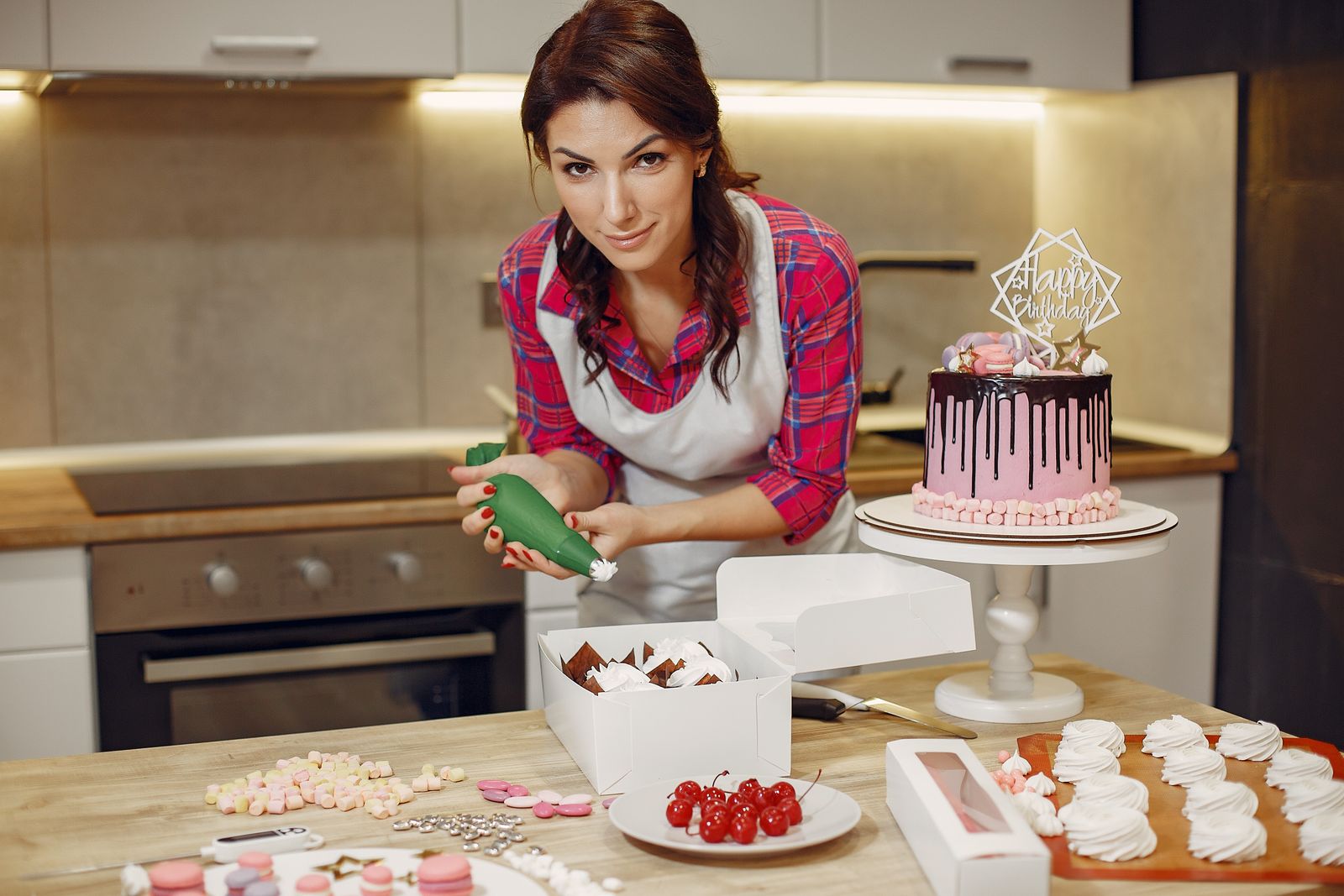
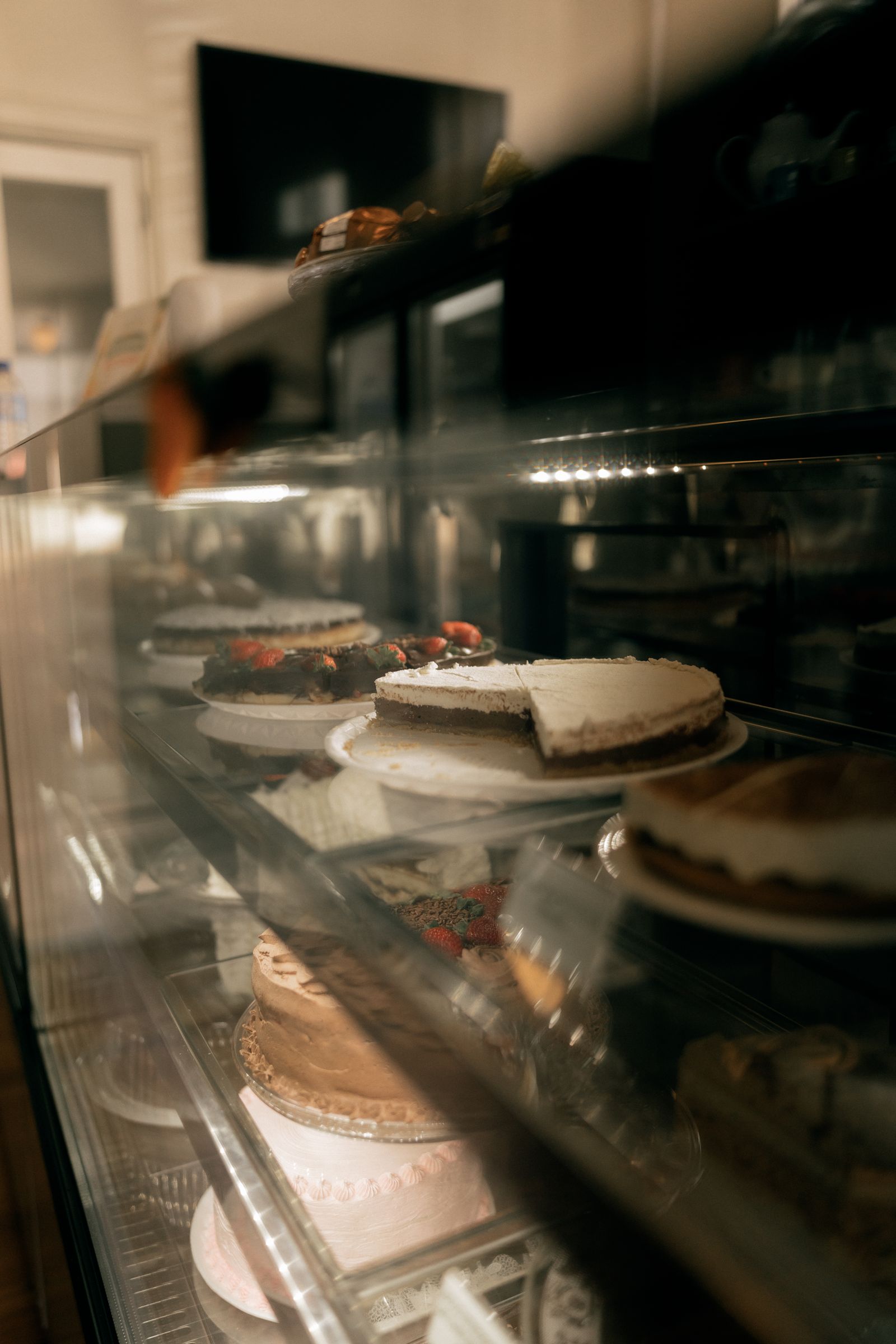
Photos in this guide are representative stock images.
← All guides from KB Cakes Bakery← Back to KB Cakes Bakery