Every November in Clover, the same pattern repeats. Someone plans a Thanksgiving table for twelve, remembers the pie on the Tuesday before, and discovers that every bakery in the area stopped taking orders the previous Friday. Pie feels simple, just crust and filling, but a whole pie is one of the most time-sensitive items a bakery makes. The crust has to be mixed, rested, rolled, and blind-baked in some cases. The filling has to set. The finished pie has to cool completely before it can be boxed without steaming itself soft.
Ordering ahead is not about beating other customers to a limited shelf. It is about giving the bake its actual schedule. KB Cakes Bakery handles custom cakes, wedding cakes, birthday cakes, cupcakes, and case items year-round, and holiday pie orders land on top of that regular work. The steps below walk through how to order, store, and reheat a whole pie so it tastes like it was baked that morning, even when it was picked up two days early.
Why pie orders close early
A bakery oven holds a fixed number of pies at once, and pies do not share oven space well with cakes that need a different temperature and a drier finish. Pumpkin and sweet potato pies bake low and slow so the custard sets without cracking. Fruit pies bake hotter at the start so the bottom crust firms up before the juices soak through. Chess, pecan, and chocolate pies each have their own timing. A baker sequences those bakes across several days, which means the order book is really an oven schedule. Once the schedule is full, adding one more pie means bumping something else or rushing a bake, and rushing shows up as a soggy bottom or a weeping filling.
Ingredients matter too. Butter, cream, eggs, and seasonal fruit are ordered in quantities based on the order book. A late surge cannot always be covered by a quick grocery run, because bakery quantities are larger and the quality of the butter and fruit directly changes the finished pie. Order deadlines protect the product, not just the staff.
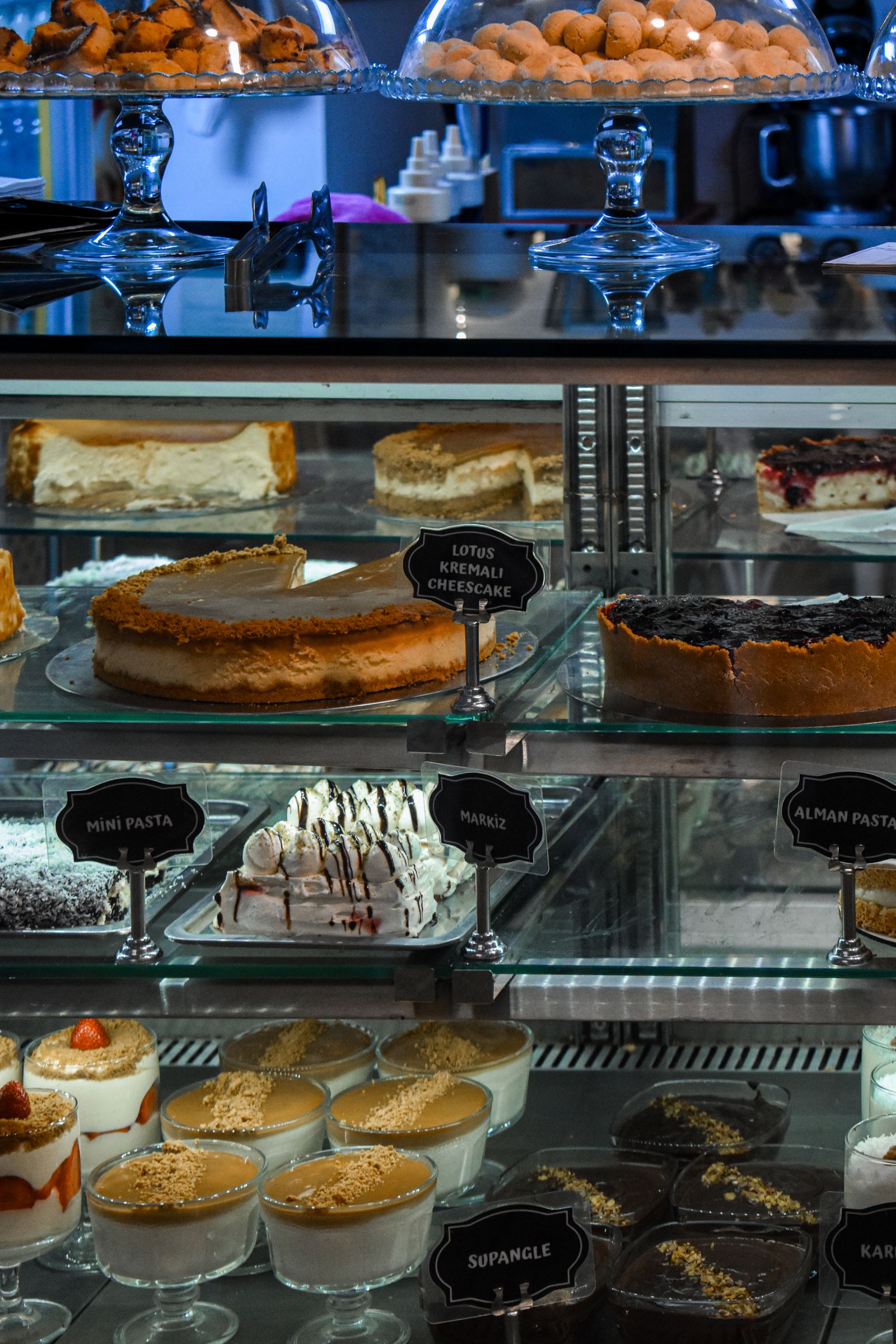
How to order, store, and serve a whole pie
The home side of pie season is straightforward once you know which jobs belong to you and which belong to the bakery. You handle the head count, the pickup window, and the storage. The bakery handles the bake itself.
- Count servings before you call. A standard 9-inch pie cuts into 8 modest slices or 6 generous ones. For a holiday table with several desserts, plan on the 8-slice count. For a pie that is the only dessert, use 6. Two pies for twelve people is the common, sensible math.
- Order inside the posted window. For Thanksgiving, that usually means ordering one to two weeks ahead, with pickup on Tuesday or Wednesday. For Christmas, order by mid-December. If you need more than three pies, order earlier, because large orders take a full oven slot.
- Pick the right flavors for holding. Pecan, pumpkin, sweet potato, and chess pies hold well for two to three days refrigerated. Double-crust fruit pies hold well too. Cream pies and meringue pies are best picked up as close to serving as possible, ideally within a day.
- Transport the pie flat. Set the box flat on a floorboard or trunk floor, never on a slanted seat. Keep the car cool. In Clover's mild late-November weather a short drive is fine, but a pie left in a warm car while you run other errands will soften and slide.
- Store by filling type. Custard and cream pies go in the refrigerator, loosely covered once fully cool. Fruit pies can sit covered on the counter for a day, then refrigerate. Never wrap a warm pie tightly. Trapped steam softens the crust you paid for.
- Reheat for crust, not for heat. A fruit or nut pie refreshes well in a 325-degree oven for 10 to 15 minutes, just until the crust smells toasty again. Custard pies are usually served cool or at room temperature. Pull a pumpkin pie out of the refrigerator about 30 minutes before slicing so the spice flavor opens up.
- Slice with a hot, dry knife. Run the knife under hot water, dry it, and cut with a steady downward press rather than a sawing motion. Repeat between slices. Clean cuts keep custard fillings from dragging and fruit fillings from spilling.
What to do if you missed the deadline
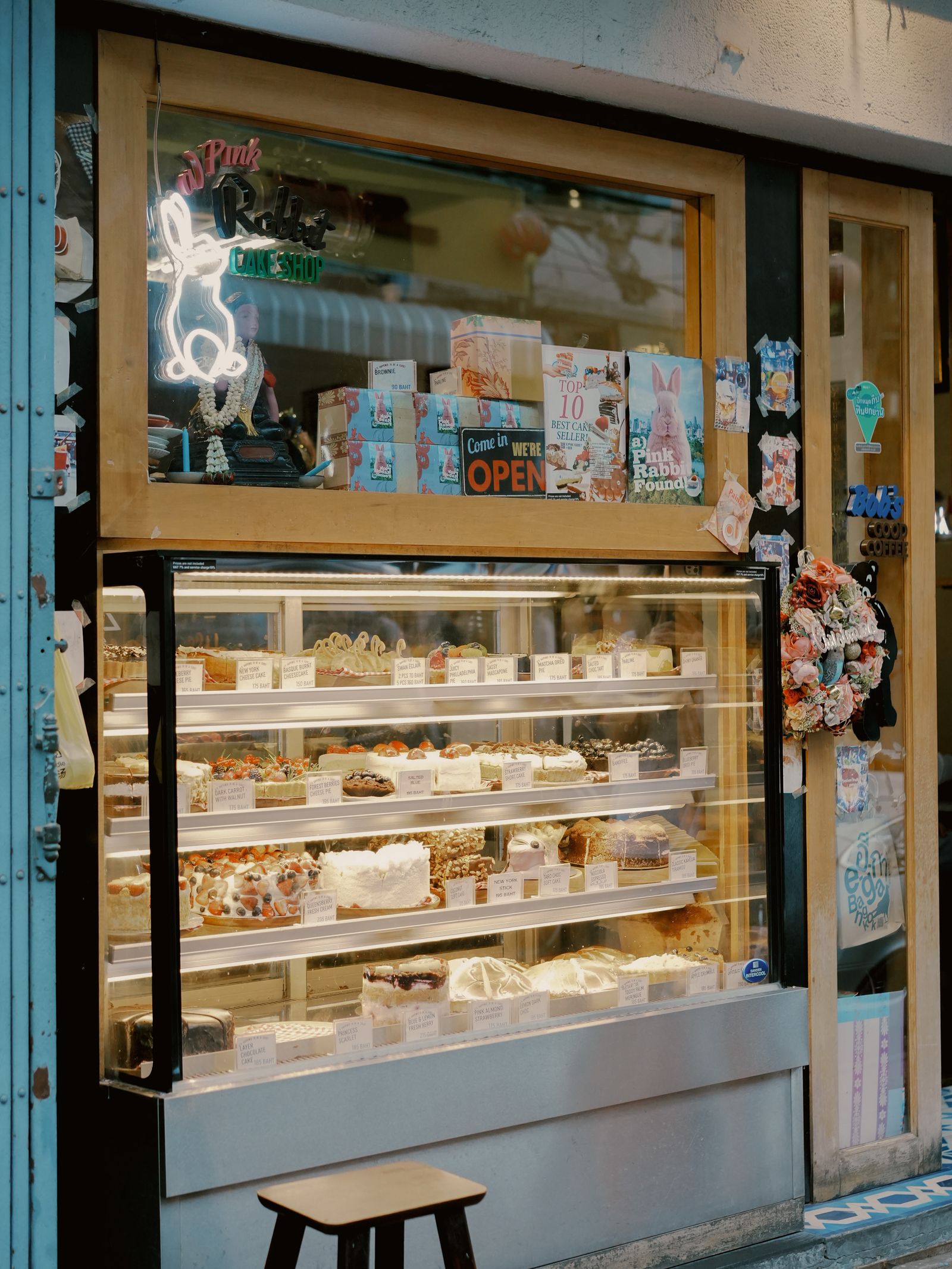
Missing the order window does not mean store-bought or nothing. Bakeries build extra pies for the case during holiday weeks, but the selection is first come, first served and the popular flavors go early in the day. Call in the morning, ask what is in the case, and be flexible on flavor. A bakery apple pie instead of the pecan you planned is still a bakery pie. You can also split the difference: one whole pie from the case plus cupcakes or other sweets from the case to stretch servings for a bigger table.
Freezing is the other backup. A baked fruit pie freezes well for several weeks when wrapped tightly once fully cool. Thaw it overnight in the refrigerator, then refresh it in a low oven before serving. Custard pies do not freeze as gracefully. Their texture turns grainy, so buy those fresh if you can.
Common questions
How long does a whole pie keep?
Fruit pies keep about two days at room temperature and up to four days refrigerated. Custard, cream, and pumpkin pies should be refrigerated and eaten within three to four days.
Should I reheat pumpkin pie?
Usually no. Pumpkin pie is best cool or at room temperature. If you prefer it warm, heat individual slices gently rather than warming the whole pie, which can crack the custard.
Can I freeze a pie I pick up early?
Baked fruit pies freeze well for several weeks. Thaw overnight in the refrigerator and refresh in a 325-degree oven for 10 to 15 minutes before serving.
Photos in this guide are representative stock images.
← All guides from KB Cakes Bakery← Back to KB Cakes Bakery